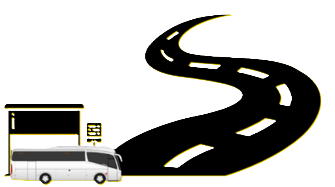
Keep back from the kerb
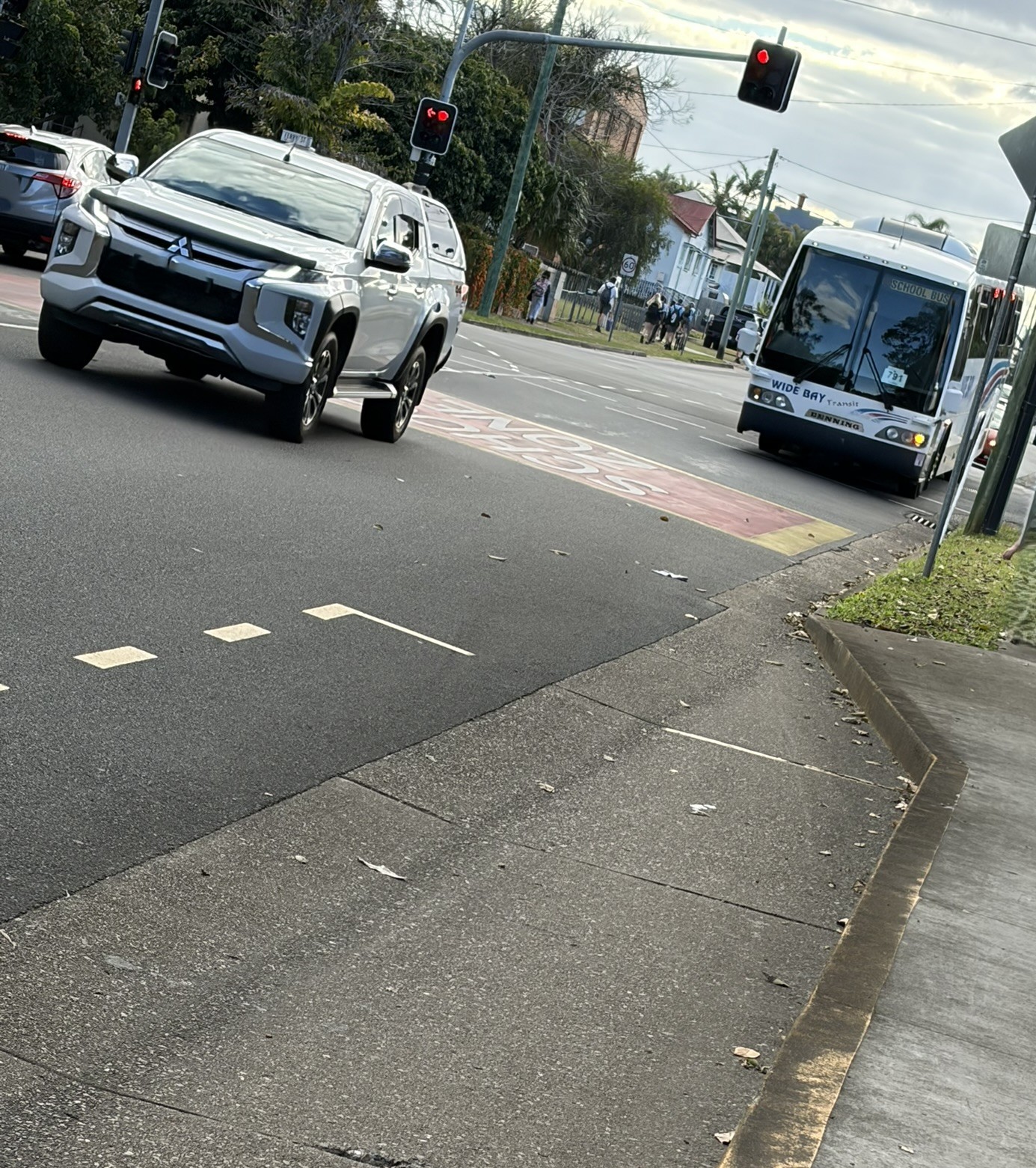
Stand at least three steps (approximately 2 metres) away from the kerb. Never wait close to the road where passing vehicles could put you at risk.
A safer journey starts before you even get on board.
Waiting safely for a bus helps prevent accidents, injuries and unnecessary congestion. Whether you're at a school bus stop or a public transport stop, these simple rules help keep passengers safe and make boarding easier for everyone.
Good passenger behaviour makes a difference. Follow these rules whenever you're waiting for or boarding a bus.
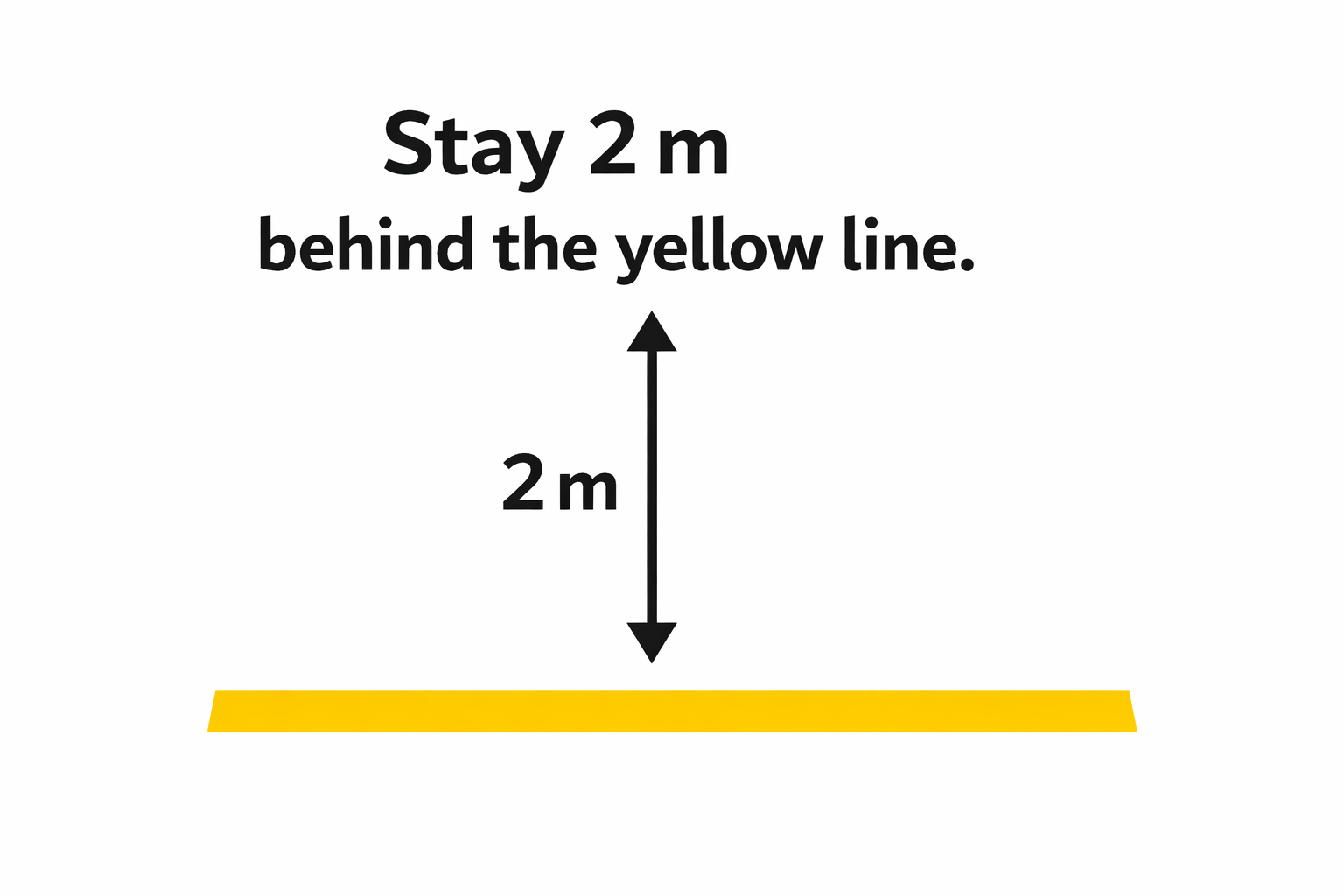
Stand at least three steps (approximately 2 metres) away from the kerb. Never wait close to the road where passing vehicles could put you at risk.
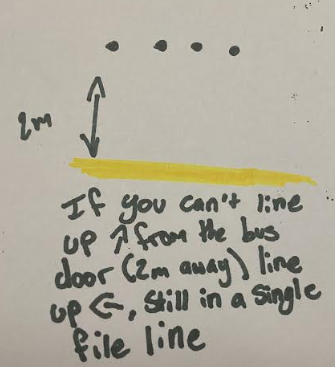
If your stop has a marked waiting line, remain behind it until the bus has arrived and it is safe to approach.
Pushing can cause someone to fall, potentially towards the road or into other passengers. Give everyone enough room.
Always allow passengers to exit before attempting to board. Keep the doorway clear and let people leave without being crowded.
Stay calm when the bus arrives. Running around the stop or towards the bus can lead to trips, falls and avoidable accidents.
Queue in an orderly way and allow other passengers to board without pushing or cutting in. Be considerate of younger students and others who may need extra time.
Use a pedestrian crossing where available. Never cross in front of or behind a bus unless you can do so safely and legally.
Follow instructions from bus drivers, school staff and authorised supervisors. They are there to help keep passengers safe.
These diagrams demonstrate some of the recommended ways to wait, queue and position yourself at a bus stop.

Bus stops may seem like ordinary places, but unsafe behaviour can have serious consequences. Crowding, pushing and standing too close to traffic can put passengers at risk of injury.
These rules are particularly important for younger students, passengers who need additional assistance, drivers and pedestrians nearby.
A safer stop is a calmer, more respectful stop.
Help spread awareness by downloading and sharing these free SafeStops Australia safety posters and resources.